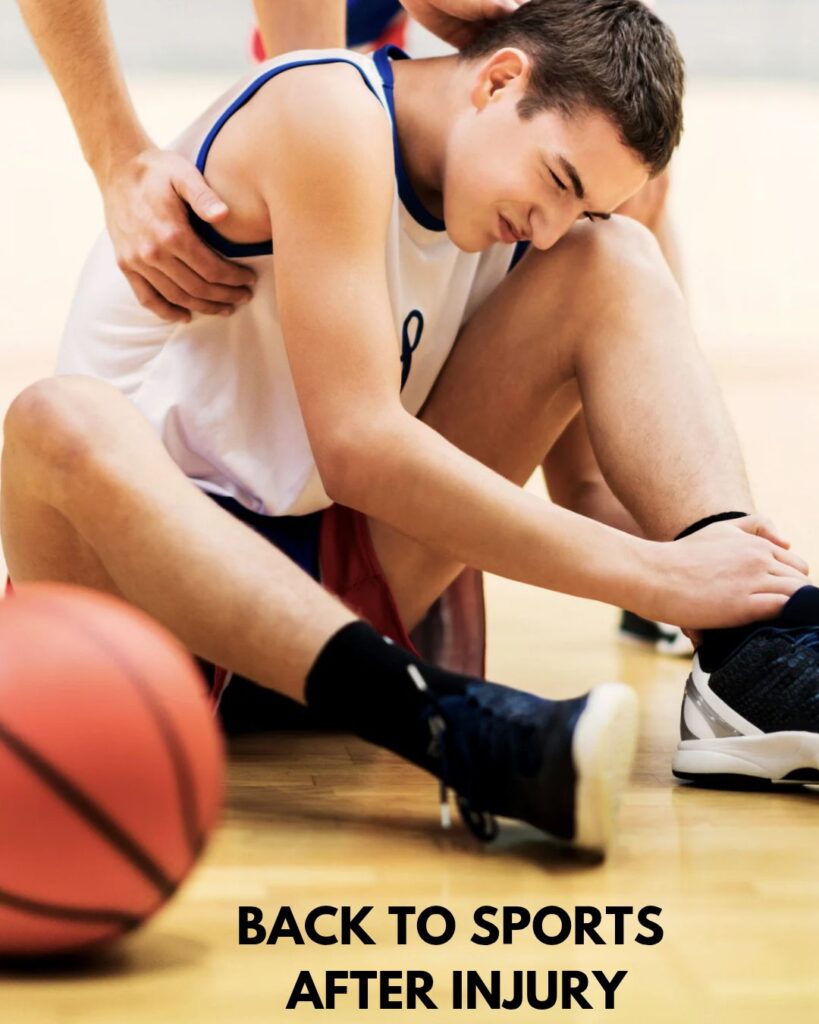
Today, a young college-level volleyball player came in for his second visit to the OPD. As a routine
part of my protocol, by the second consultation, most of my patients experience a minimum of
30-40% symptom relief, provided the diagnosis is accurate and the patient follows advised rest and
rehab guidelines.
But today was different.
Despite my correct diagnosis and treatment initiation, his condition had worsened. I gently inquired if
he had followed the rehab plan. With a visibly sad expression, he confessed something
disheartening:
“Sir, my coach didn’t allow me to rest. I had to return to full training on the very first day itself.”
A Common Yet Alarming Reality in Kerala Sports
Unfortunately, this is not an isolated case. Across Kerala, and in many parts of India, there’s a
prevailing myth in certain coaching circles:
“Pain will go away if you keep playing.”
This mindset is not just outdated-it is harmful and dangerous.
Athletes under such pressure often suppress symptoms, mask pain, and push through
injuries-leading to chronic damage, burnout, or even irreversible career setbacks.
Why Rest and Treatment Are Non-Negotiable
In sports medicine, we don’t just “treat pain”-we address the underlying tissue damage and guide
the body through its natural healing phases:
1. Inflammation Phase (0-5 days): The body responds to injury with swelling and pain to protect the
area.
2. Proliferation Phase (5-21 days): New tissue begins forming, but is fragile.
3. Remodeling Phase (3-12 weeks): Tissues strengthen with proper rehab and controlled loading.
For mild soft tissue injuries, athletes may require 7-14 days of relative rest and gradual reactivation.
For moderate to severe injuries, full recovery may take 3-12 weeks or more.
Ignoring this cycle can lead to:
– Tendon degeneration
– Chronic muscle tightness or weakness
– Recurrent ligament sprains
– Mental fatigue and stress
Scientific Backing for Rest, Rehab, and Reinforcement
A 2019 study in the British Journal of Sports Medicine concluded that inadequate rest post-injury
significantly increases the risk of recurrence and long-term disability.
– Strengthening and proprioception exercises have been proven to reduce re-injury risk by over 50%
in lower limb injuries.
– Neuroscientific studies show that pain is not just physical-constant aggravation without healing
fuels central sensitization (brain pain memory), making pain chronic.
A Plea to Coaches and Parents
Your role in an athlete’s life is precious. You shape their future.
Please understand:
– Rest is not laziness.
– Rehab is not a waste of time.
– Playing through pain is not bravery-it’s self-harm.
Empower athletes with science, not shame. Encourage recovery, not just repetition. Pain is a
signal-not a weakness.
Final Word to Athletes
To every young sportsperson out there: Your body is your greatest asset. Listen to it. Honor it. You
have every right to say, “I need a few days to heal.”
Proper recovery is not a break from training-it is a vital part of training.
Dr. Ajeesh T Alex
Sports Injury & Rehab Consultant
IOC Certified Sports Nutritionist
ACTYMED HEALTHCARE